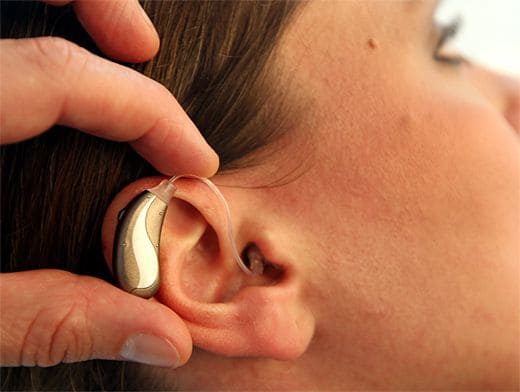
According to statistics, for every thousand newborns there is a child with total deafness, and in the first years of life, some children lose their hearing. This is a difficult challenge for the family: the child cannot hear speech, environmental sounds, music, and without help cannot fully form speech. One of the modern methods of assistance in such cases is cochlear implantation.
What is a cochlear implant?
When a large part of the cochlear receptors is damaged, even high-quality hearing aids may not provide sufficient speech intelligibility. The patient hears only part of the sounds, often low-frequency and loud, while quiet or high-frequency signals remain unavailable.
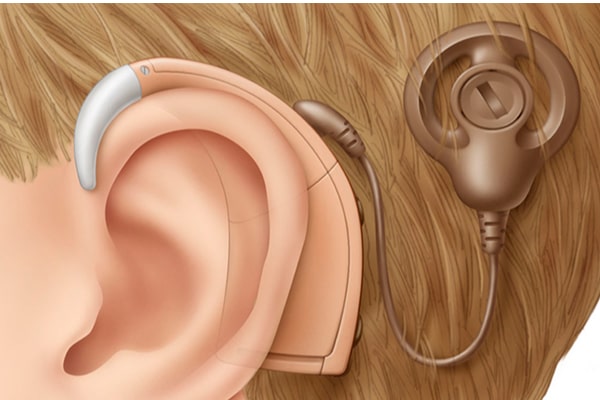
The cochlear implant converts the acoustic signal into electrical impulses and transmits them directly to the fibers of the auditory nerve, bypassing the damaged link of the inner ear. That is why the method opens up the possibility of hearing frequencies that are no longer compensated for by a conventional hearing aid.
When is surgery necessary?
The question of implantation is considered for bilateral sensorineural deafness or borderline hearing loss, when properly selected hearing aids do not give the expected effect. Before making a decision, an in-depth audiological diagnosis, a consultation with an otolaryngologist, and an assessment of the condition of the auditory nerve and the structures of the inner ear must be carried out.
The intervention can be carried out in children and adults. In children with congenital pathology, early diagnosis, timely selection of a method of care and further rehabilitation are especially important. In adults, the decision depends on the cause of hearing loss, general health, experience with hearing aids, and social adaptation.
When can an implant be ineffective?
- damage to the auditory nerve or the central parts of the auditory analyzer;
- calcification or ossification of the cochlea, which complicates the introduction of the electrode;
- long-term deafness without auditory stimulation, when compensation is already insufficient;
- medical contraindications to surgery or general anesthesia.
Stages of treatment and rehabilitation
Cochlear implantation consists of several stages: selection of candidates, examination, surgical intervention, connection of the speech processor, adjustment and long-term rehabilitation. A standard operation usually lasts about an hour and a half: the implant is placed in the area behind the ear, and the electrodes are inserted into the cochlea.
After the operation, the most important period begins — teaching the brain to perceive new sound signals. Audiologists, deaf educators, otolaryngologists, and psychologists work with the patient. Regular classes, control visits and periodic reprogramming of the speech processor are required.
Who should consult?
Consultation is needed for children and adults with pronounced hearing loss, low effectiveness of hearing aids, progression of deafness or suspected sensorineural damage. The doctor will help determine whether the patient is a candidate for implantation and will suggest the optimal route of diagnosis and treatment.