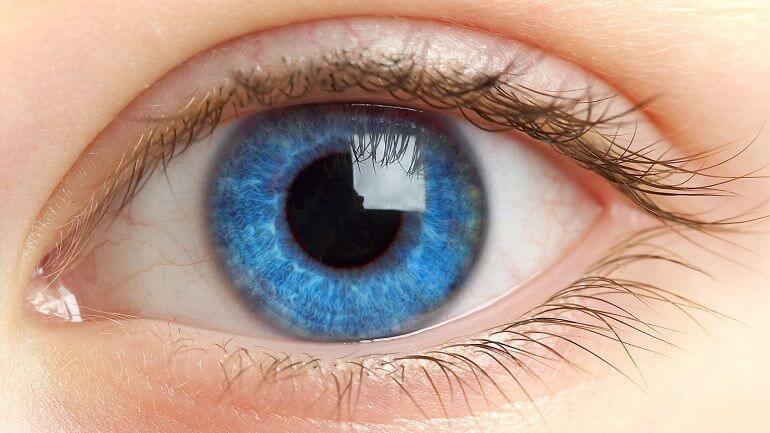
The cornea is the outer transparent part of the eye through which light passes. The clarity of the image depends on its transparency and shape. Any trauma, inflammation or deformation of the cornea can lead to a decrease in visual acuity and discomfort.
Inflammation of the cornea can occur after an injury, a foreign body, improper use of contact lenses, or as a result of other diseases. The started process is dangerous due to turbidity, ulcers and the need for complex treatment.
Keratitis
Keratitis is a disease of the cornea, often manifested by redness of the eye, pain, lacrimation, photophobia and spasm of the eyelids. It can be preceded by microtraumas, scratches, infections or a decrease in local immune protection.
Keratitis can be viral, bacterial, fungal, parasitic, allergic, or metabolically related. Inflammation after the use of contact lenses or intraocular interventions is distinguished separately.
Classification
According to the depth of the lesion, superficial, marginal, deep and intrastromal forms are distinguished. The depth of the inflammation is important for the prognosis, choice of treatment and assessment of the risk of corneal opacification.
Symptoms
- redness of the eye;
- lacrimation;
- feeling of dryness, sand or a foreign body;
- cutting, pain, burning;
- involuntary closing of the eyelids;
- intolerance to sunlight or artificial light;
- swelling, itching or purulent discharge.
Diagnostics
The main diagnostic method is biomicroscopy of the eye. It allows you to assess the size, depth and nature of the lesion. Fluorescein can be used to detect epithelial defects. If a purulent process is suspected, the doctor may prescribe a bacterioscopic or bacteriological examination.
Treatment
Treatment depends on the cause and depth of the lesion. For superficial forms, local preparations, antiseptic drops and means for regeneration can be prescribed. Deep or ulcerative forms often require hospital treatment, antibiotics, antivirals or surgery.
It is important not to engage in self-medication: incorrectly selected drops can hide symptoms and worsen the course of the disease.
Prevention
To reduce the risk of corneal diseases, you should protect your eyes when working with metal, wood or chemicals, use contact lenses correctly, avoid touching your eyes with dirty hands and treat inflammatory processes in a timely manner. At the first symptoms, an ophthalmologist’s consultation is required.