
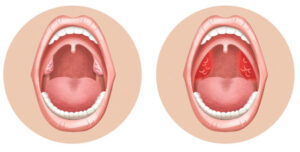
Throat congestion is purulent accumulations that form in the recesses of the palatine tonsils. They can cause pain, make it difficult to swallow, support inflammation and create a risk of infection. It is important not to try to remove them yourself, but to consult an otolaryngologist.
Symptoms
Sometimes traffic jams do not have bright manifestations and are discovered accidentally during an inspection. In other cases, the patient may notice:
- feeling of a foreign body in the throat;
- dry cough due to mucosal irritation;
- pain or discomfort when swallowing;
- bad breath;
- white spots or thick deposits on the tonsils;
- swelling of the tonsils;
- reflected pain in the ears.
Reasons
Purulent plugs consist of mineral components, food residues, exfoliated cells and bacteria. Most often, they are a manifestation of chronic tonsillitis.
Risk factors include chronic inflammation of the nasopharynx, poor oral hygiene, reduced immunity, monotonous diet, vitamin deficiency, tonsil injuries, stress, hypothermia, dental disease, and nasal septum curvature.
Treatment
Before treatment, the doctor conducts an examination, may prescribe a general blood test and a throat swab. The tactics depend on the degree of inflammation, the frequency of exacerbations and the general condition of the patient.
It is safer to wash the tonsils in the conditions of an ENT clinic using special equipment. Some patients need drug therapy: antibacterial or antiseptic agents, anti-inflammatory drugs, probiotics, local sprays, sometimes physical therapy. With rapid progression or large blockages, surgical treatment may be considered.
Why are purulent plugs dangerous?
Chronic inflammation can affect the heart, kidneys, joints, and skin. Paratonsillar abscess, phlegmon of the neck and the spread of infection with the bloodstream are described as complications. Pregnant women should be especially careful, because active inflammation can negatively affect the general condition of the body.
Why not remove the plugs yourself?
Mechanical squeezing can injure the tonsils, deepen inflammation and promote the spread of infection. If the symptoms are similar to those described, it is better to make an appointment with an ENT doctor: he will assess the situation and choose a safe method of cleaning and treatment.
Prevention
Prevention includes timely treatment of teeth and gums, daily oral hygiene, rinsing after meals, drinking enough, taking care of the nasal cavity, giving up smoking and alcohol, balanced nutrition and treatment of chronic ENT diseases.