Anatomical features of a child’s ear and not yet fully formed immunity make otitis one of the most common diseases in children. Inflammation can affect the outer, middle or inner ear, and the course can be acute or chronic.
In case of untimely treatment, serious complications are possible: hearing impairment, damage to the facial nerve, the spread of infection and other dangerous conditions. Therefore, any child’s complaints about ear pain or hearing loss should not be ignored.
Symptoms of otitis
The main manifestation is pain. With otitis externa, it intensifies when touching the auricle. With average or internal otitis, the pain can be strong, shooting or aching.
- temperature increase;
- weakness, irritability, poor appetite;
- discharge from the ear;
- congestion, noise or hearing loss;
- dizziness, nausea, imbalance in case of damage to the inner ear.
Reasons for development
The pathogens can be bacteria, viruses or fungal organisms. The infection enters the ear canal from the outside or passes from the nasopharynx, oral cavity or other parts of the body.
Risk factors include trauma to the auditory canal, hypothermia, SARS, rhinitis, sinusitis, allergic reactions, reduced immunity, as well as peculiarities of the structure of the auditory tube in children. It is because of the shorter and wider auditory tube that the infection gets more easily from the nasopharynx to the middle ear.
When to contact an otolaryngologist?
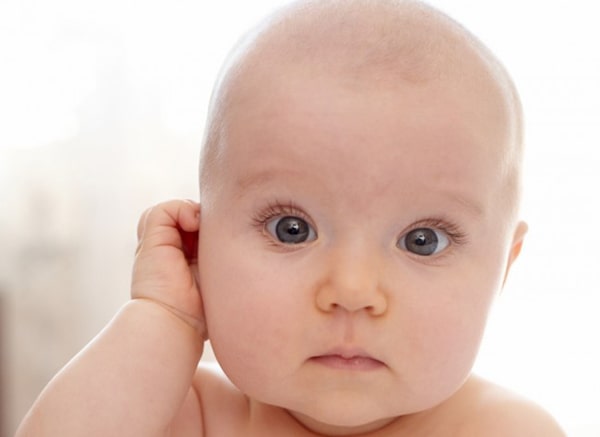
It is necessary to show the child to the doctor if there is pain in the ear, temperature, secretions, complaints of noise or hearing impairment, as well as if the child often touches the ear, cries while swallowing or chewing. Self-medication can worsen the course of the disease.
Diagnostics
The doctor surveys the parents and examines the child. Otoscopy, endoscopy, audiometry, laboratory tests, and in complex cases computer tomography are used for diagnosis. This helps to determine the type of inflammation, the degree of damage and the risk of complications.
Treatment
The tactics depend on the type of otitis, the age of the child, symptoms and examination results. The doctor can prescribe local treatment, anti-inflammatory drugs, antibacterial therapy, sanitation of the nasopharynx and hearing control. It is important to complete the treatment even if the pain has subsided.